Inara House by Clay Coop Architects
ππππ£π βπ π¦π€π ππͺ βππΈπ βππβ πΈπ£ππππ₯πππ₯π€
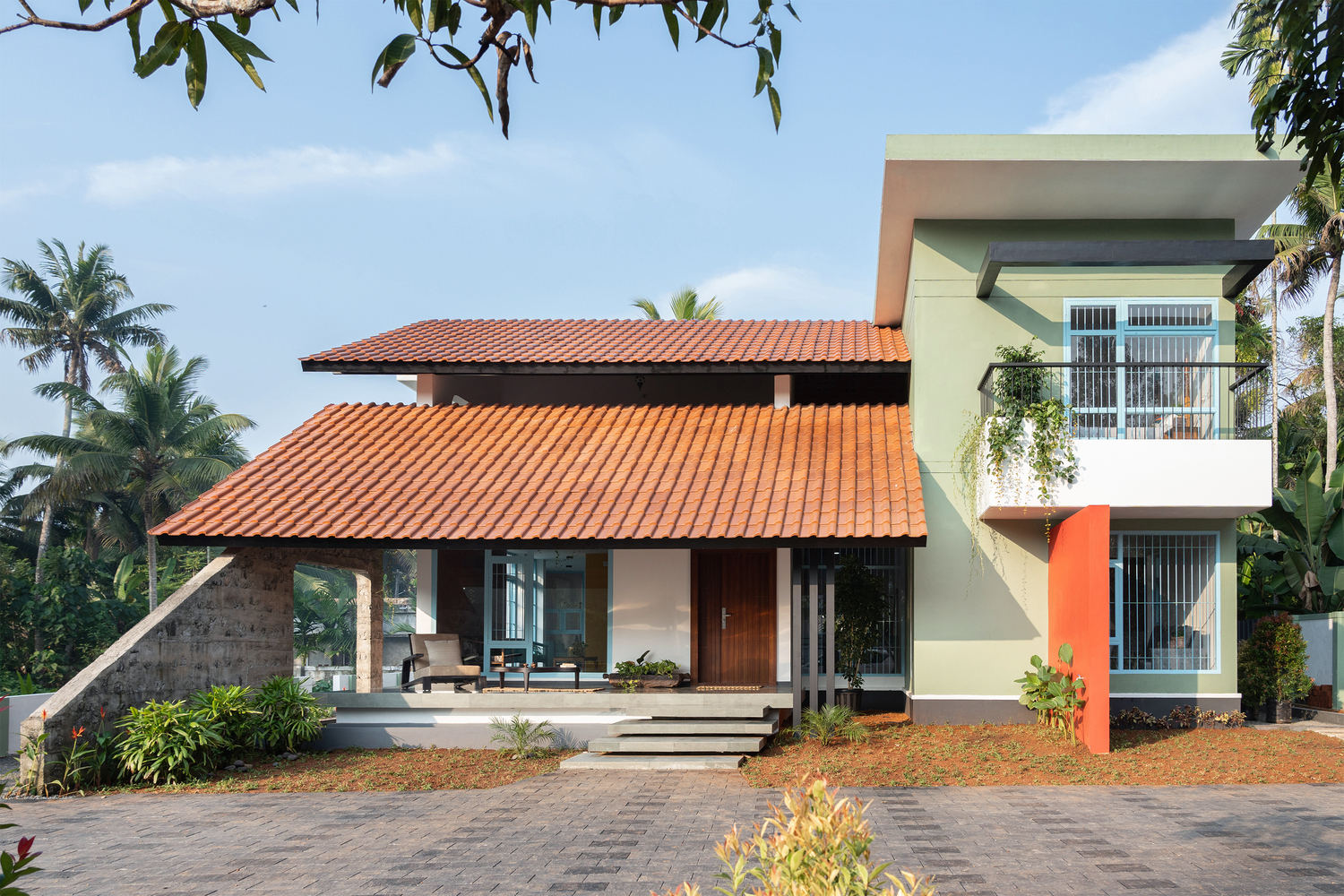
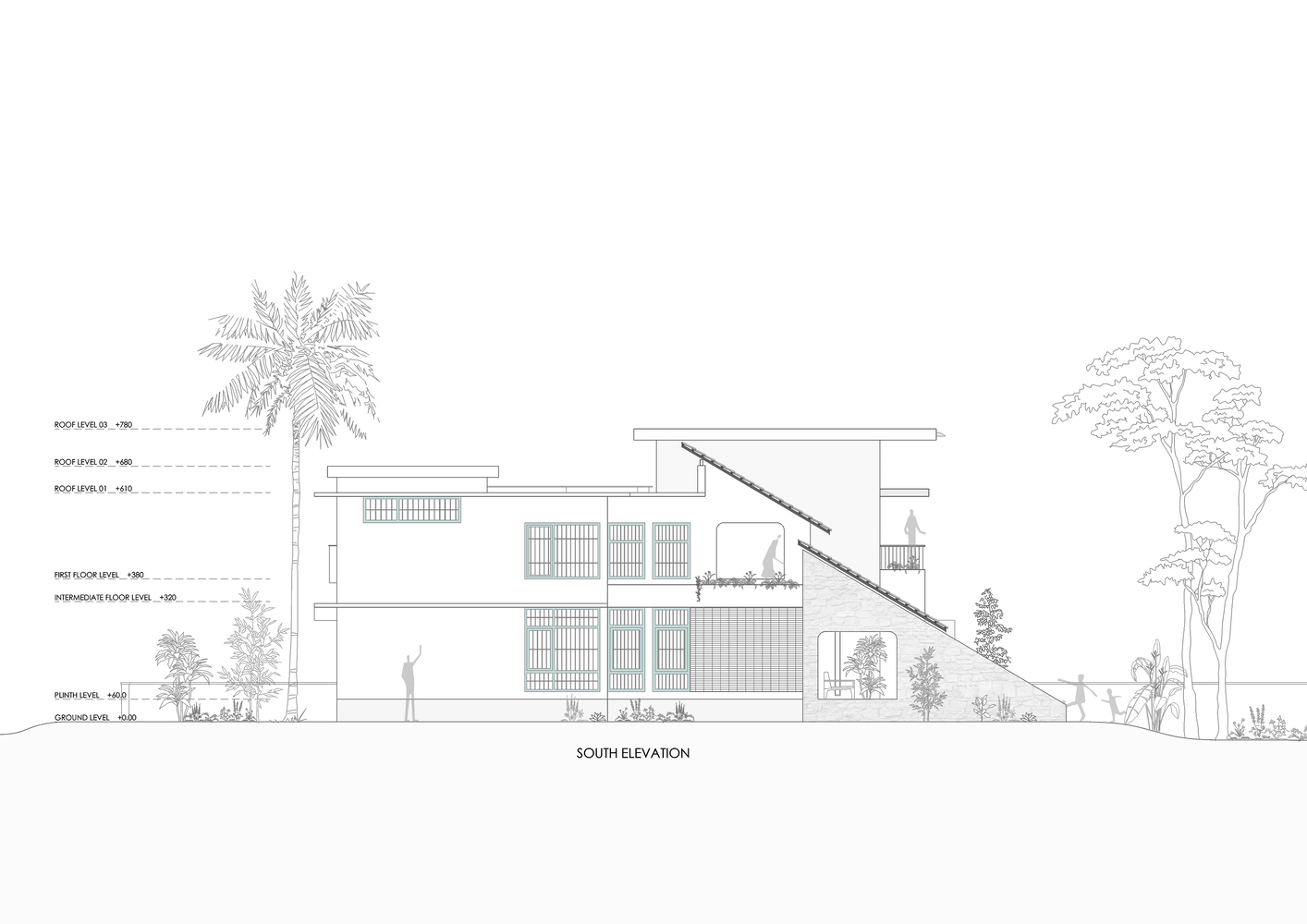
‘INARA,’ situated in the Kottayam District of Kerala, stands as a single-family residence designed to embody tranquility through architecture. The client’s vision was to create a modest dwelling that maximizes natural light and ventilation while maintaining privacy. The design aimed to seamlessly integrate indoor and outdoor spaces to enhance the overall user experience.
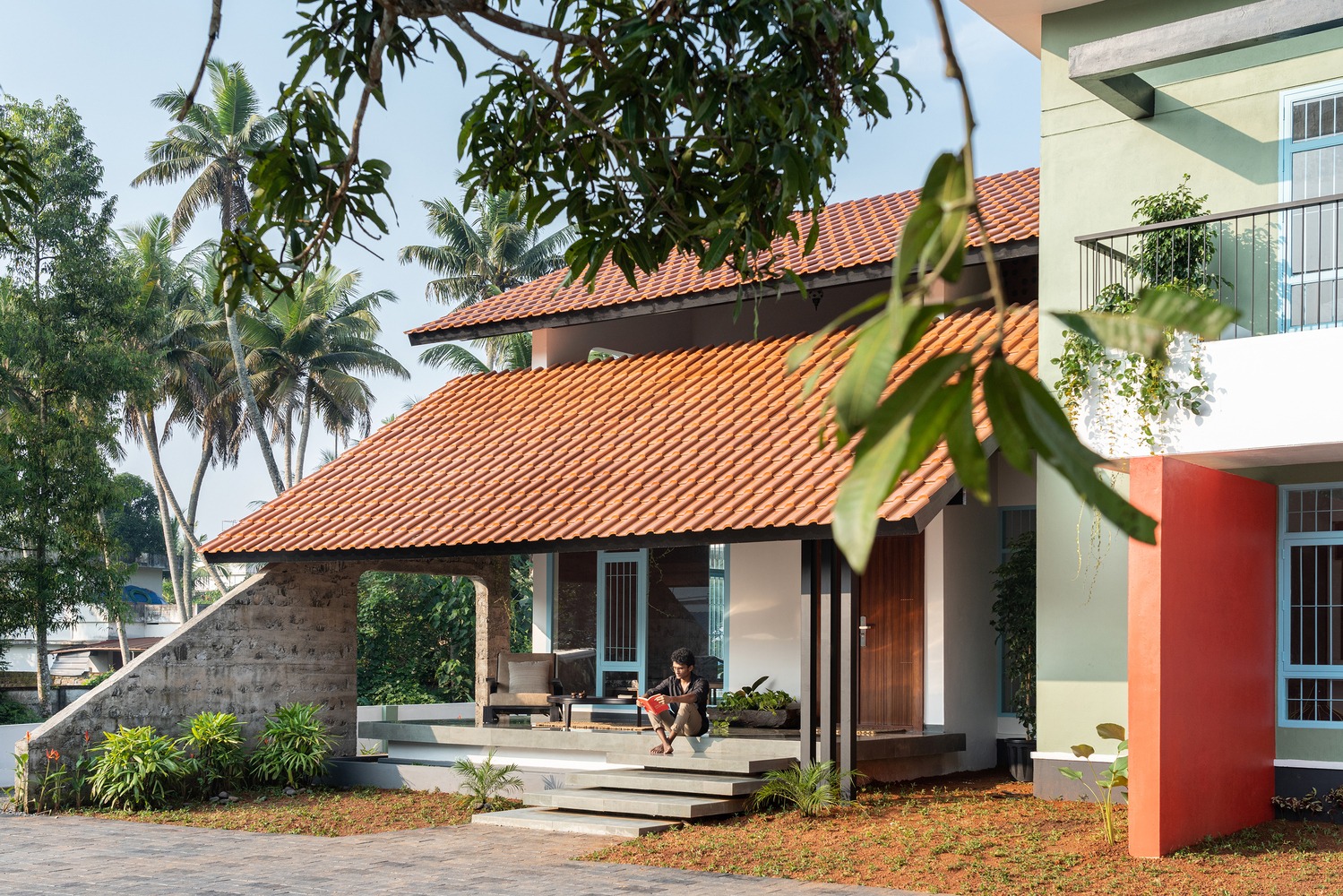
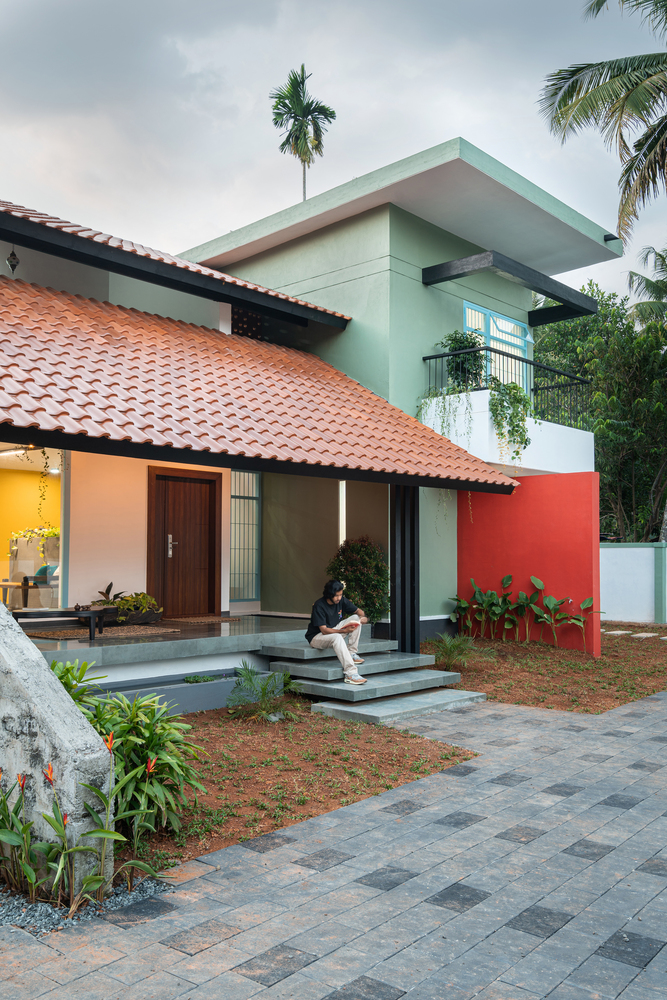
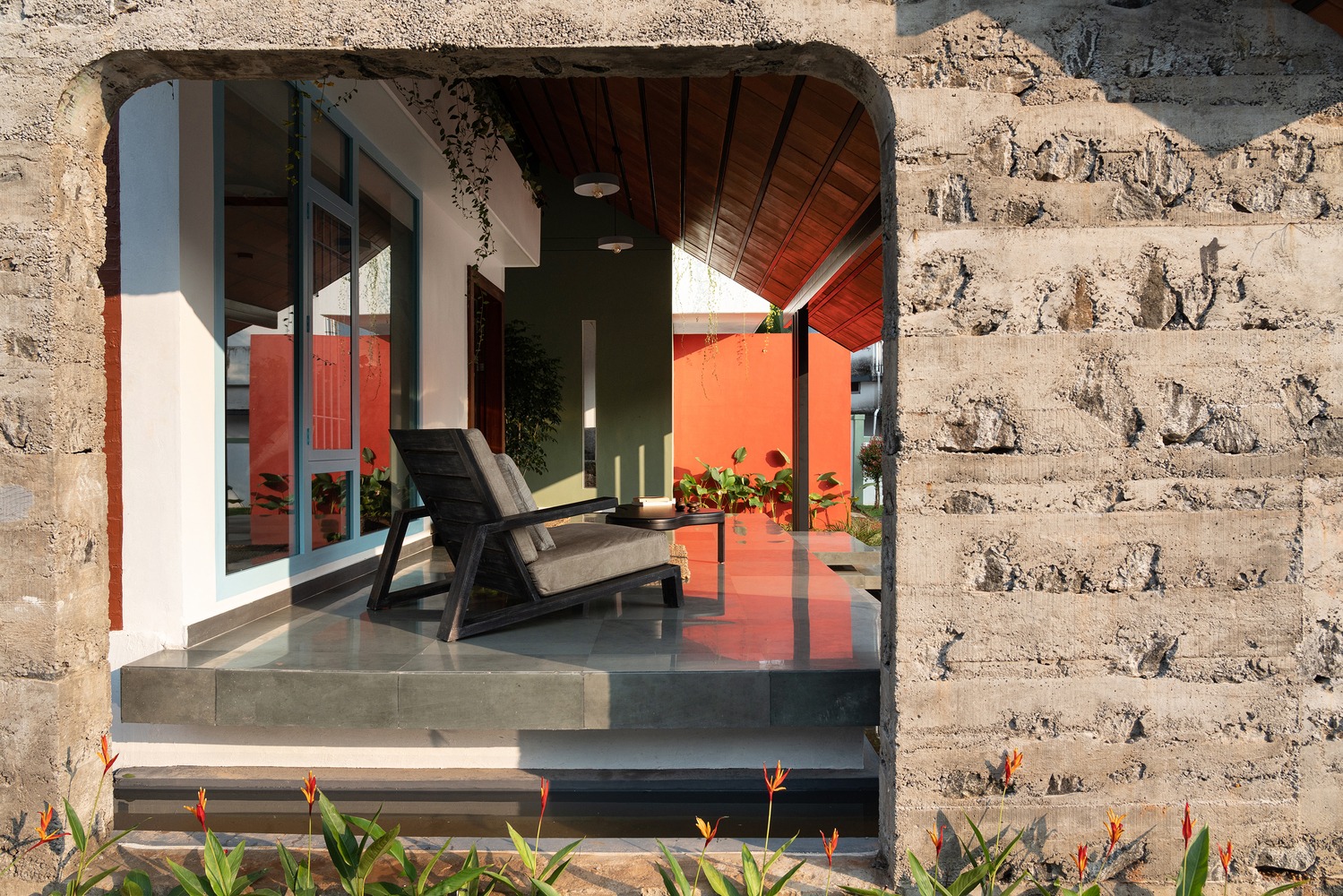
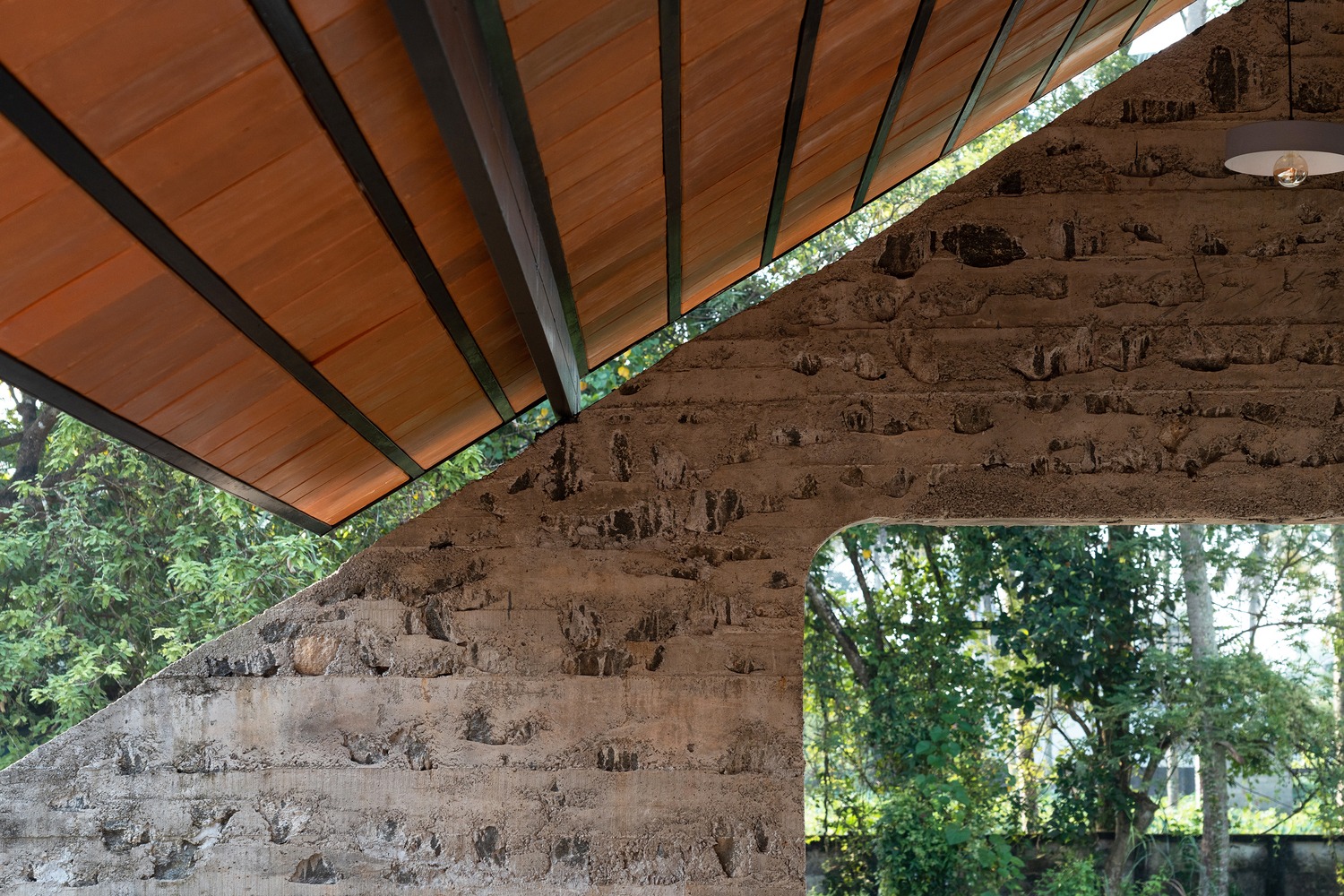
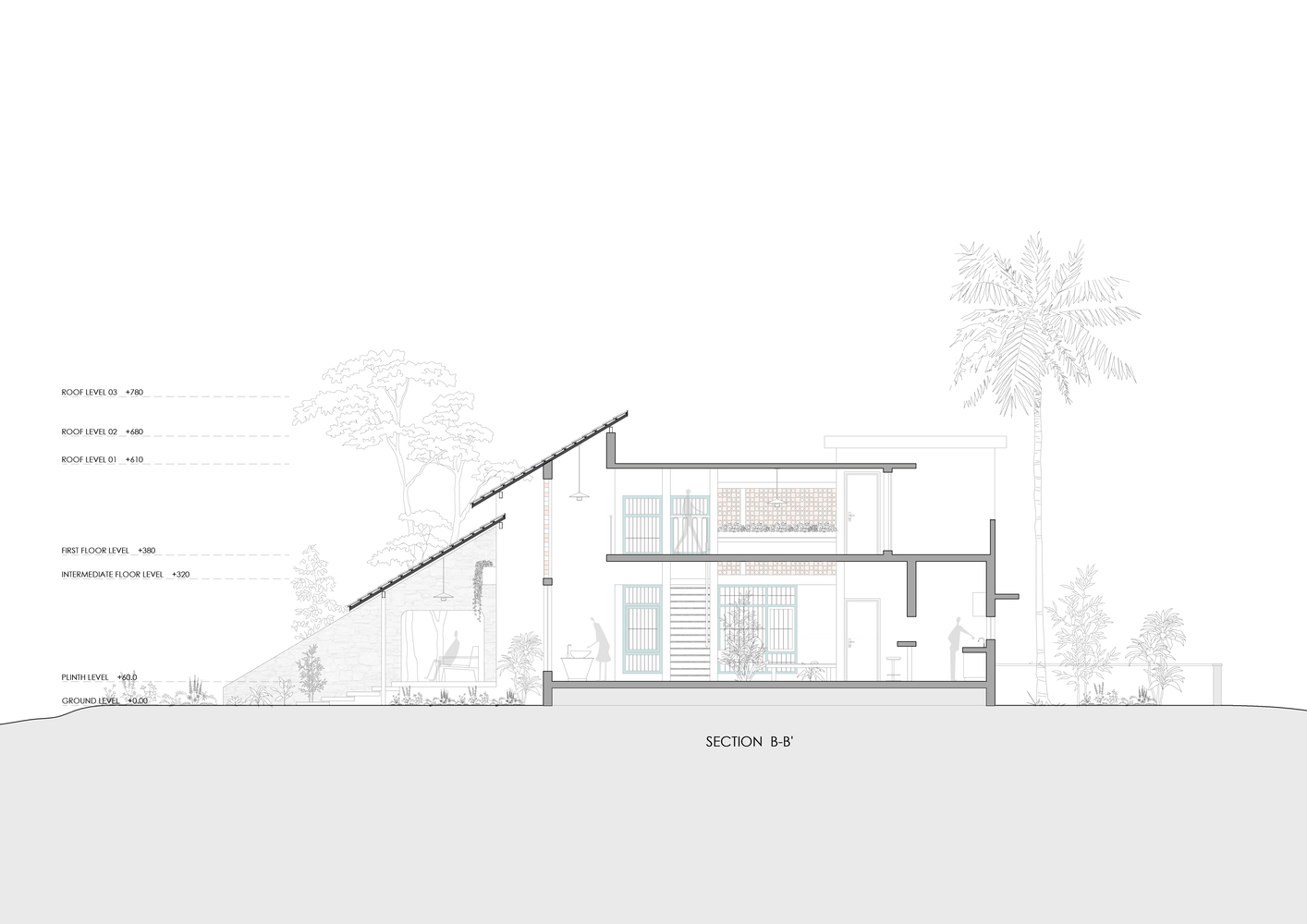
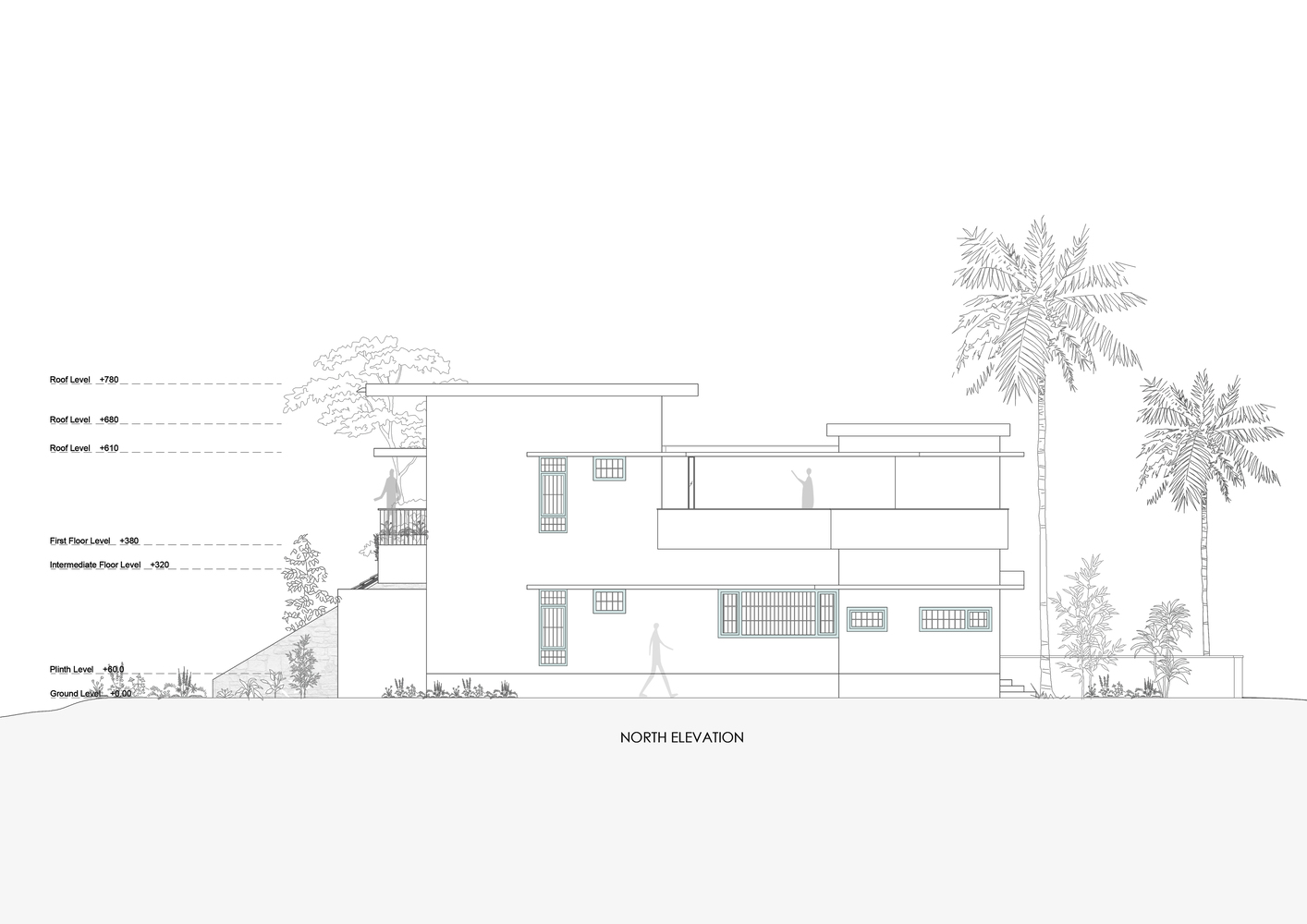
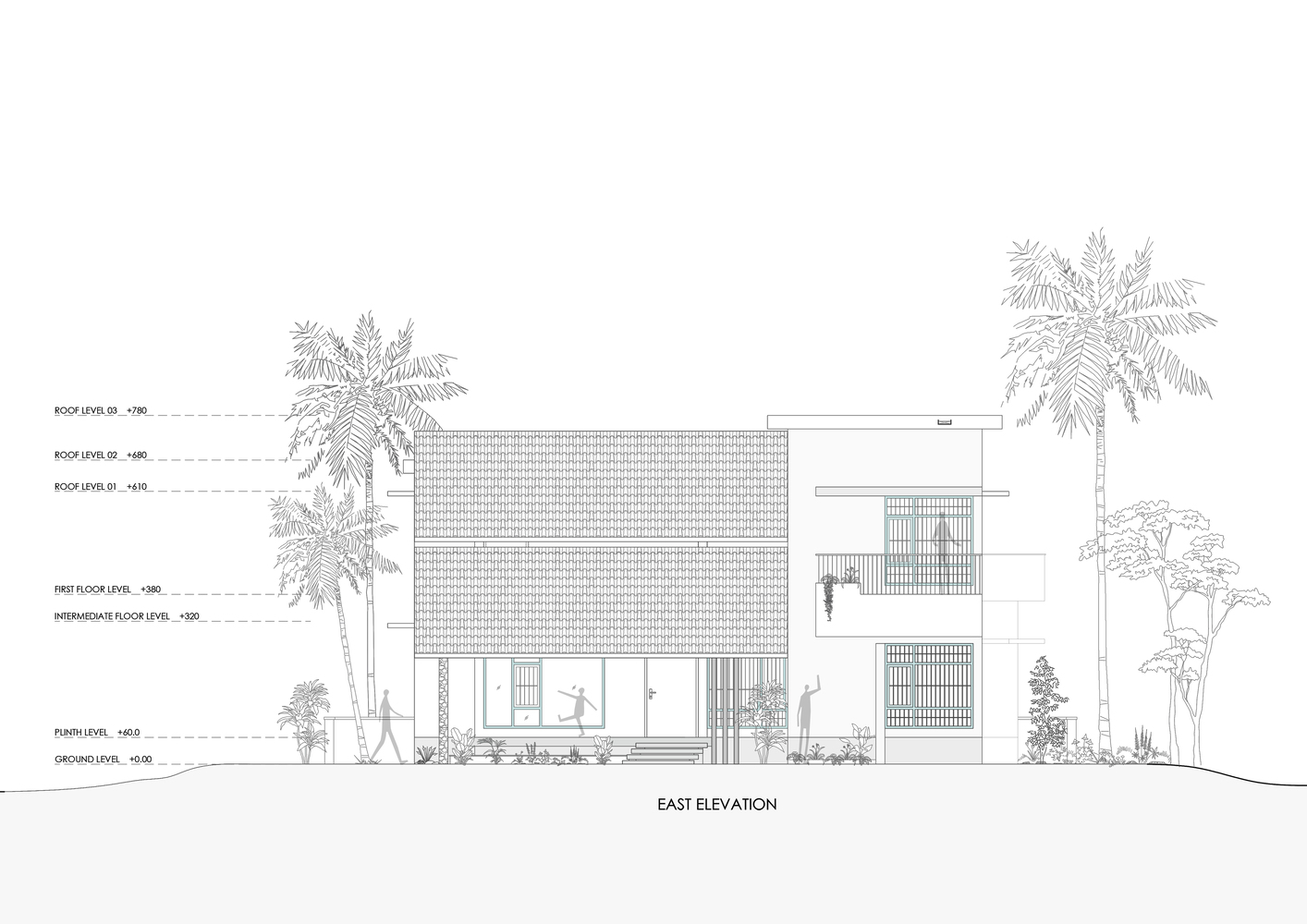
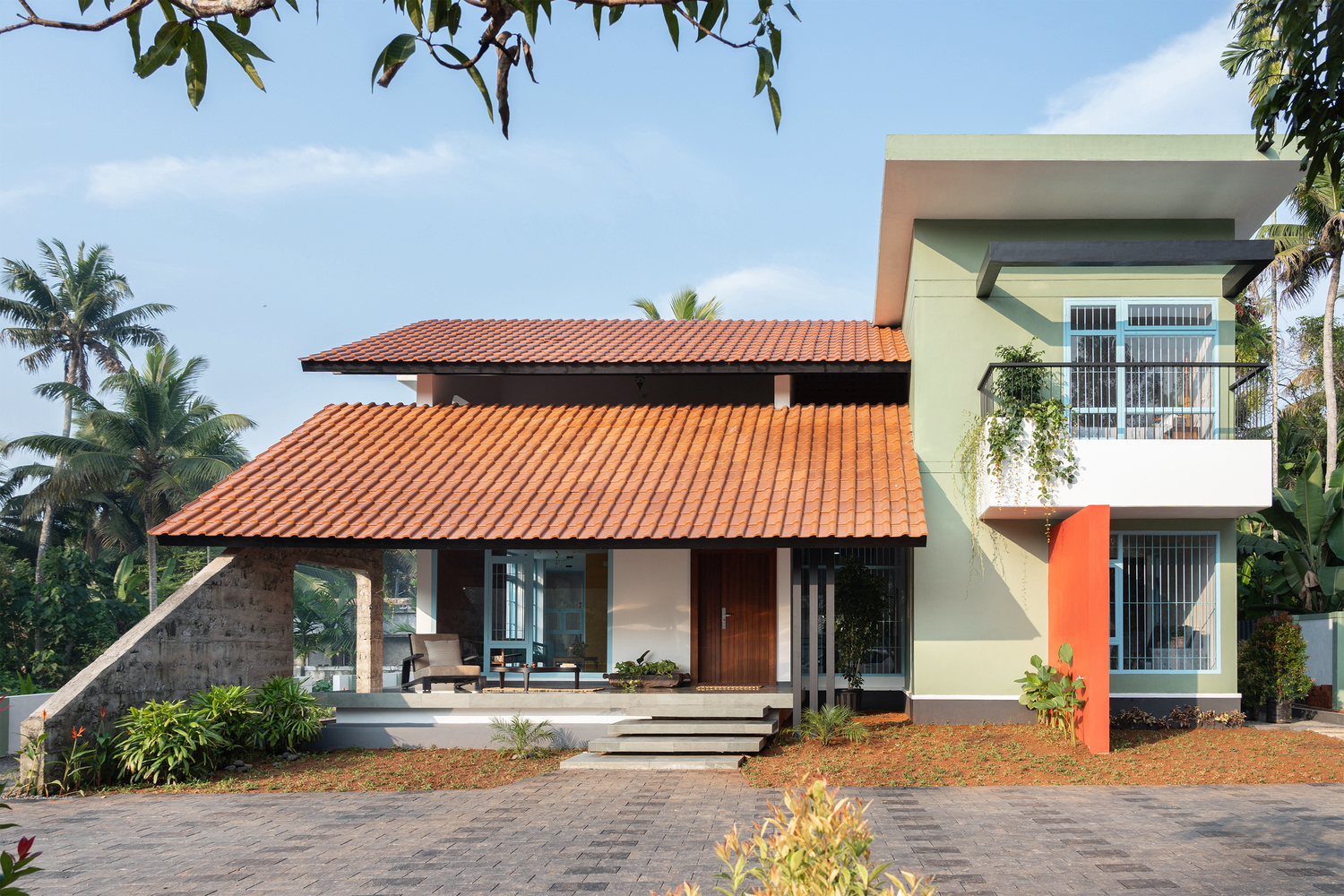
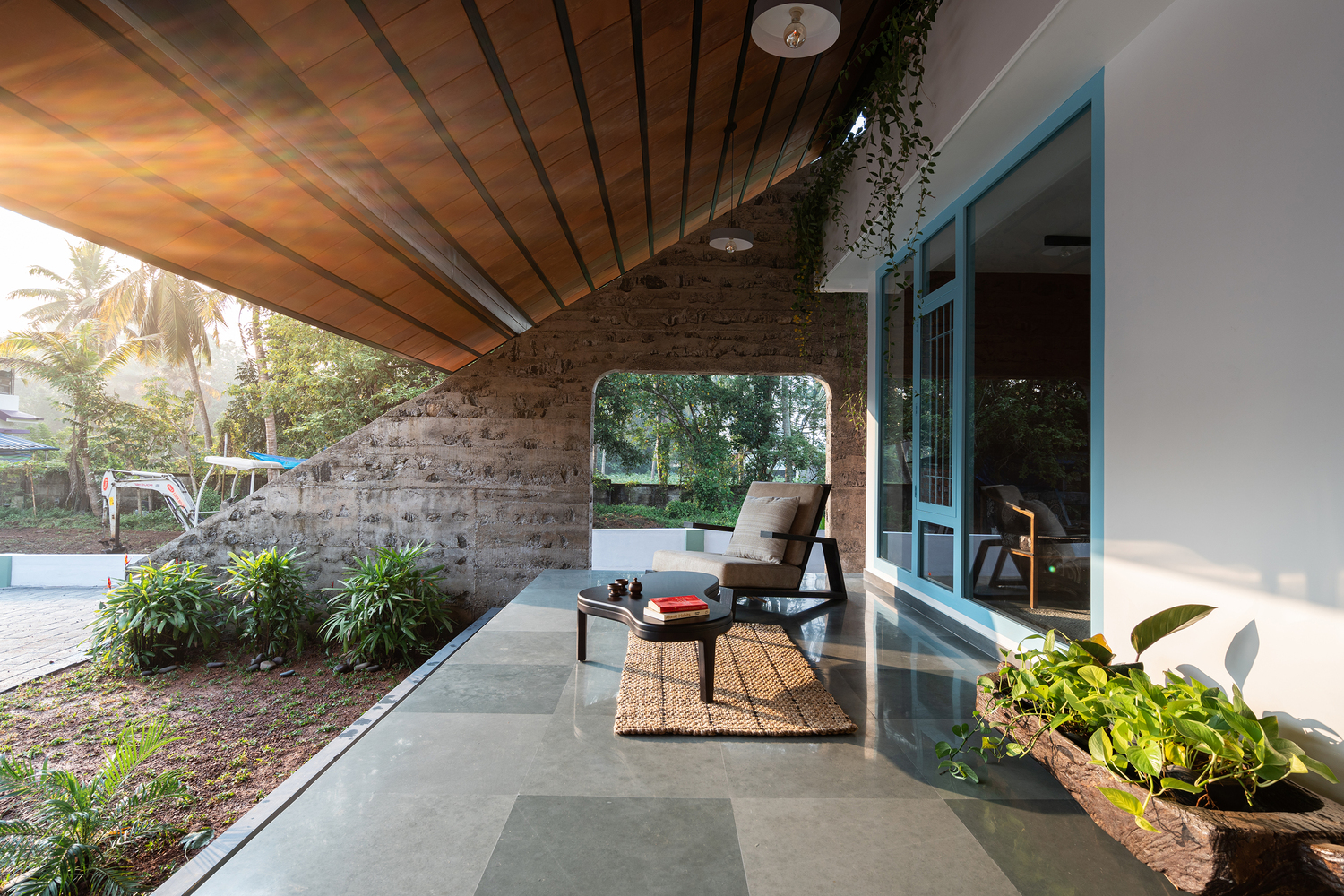
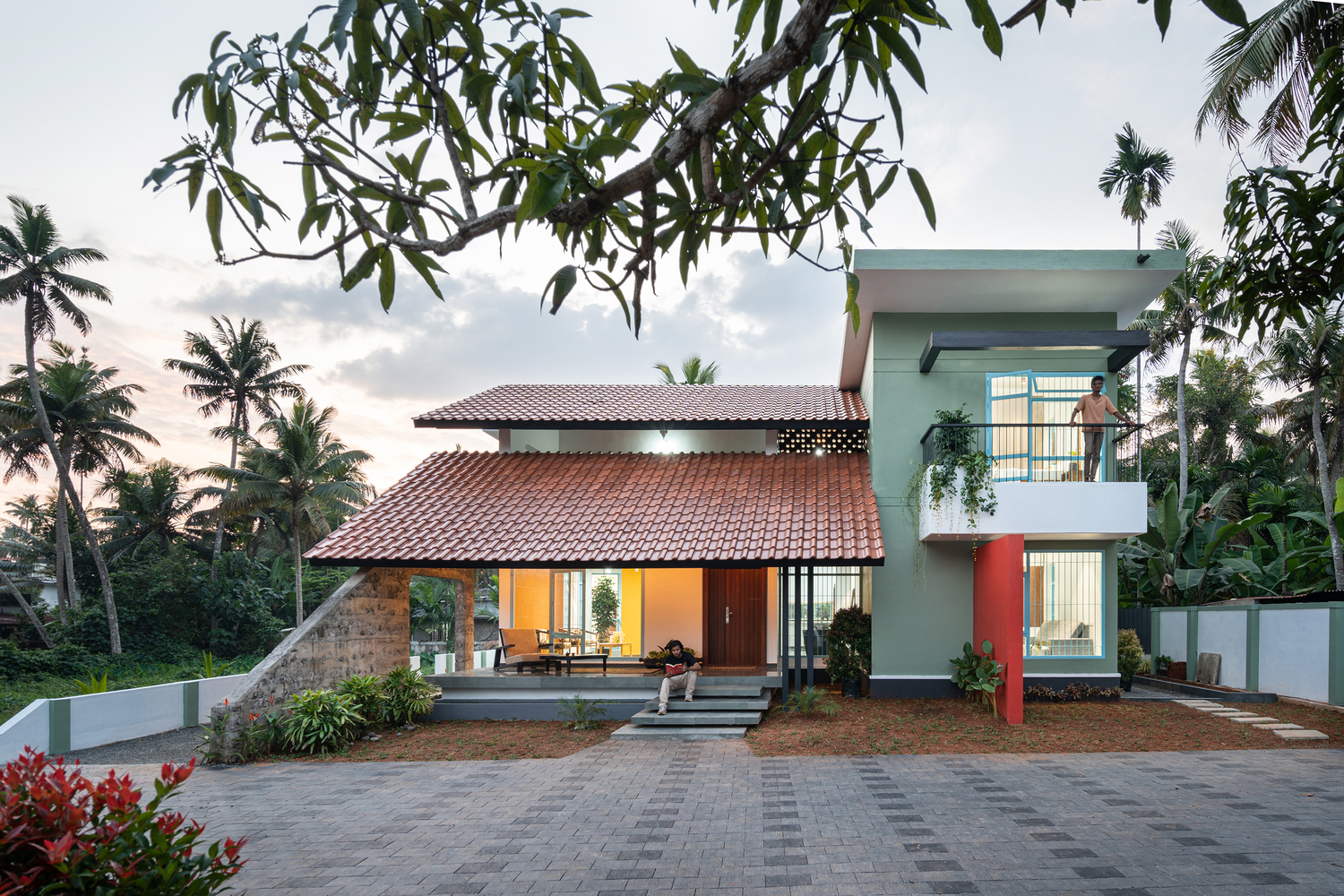
In response to the tropical climate, the architectural form blends traditional Kerala influences with a modern contemporary outlook. Positioned at the far end of the east-facing site, the house maximizes its visual potential. The front facade showcases two carefully positioned sloping roofs on a triangular wall with a bare concrete finish, reminiscent of traditional Kerala architecture.
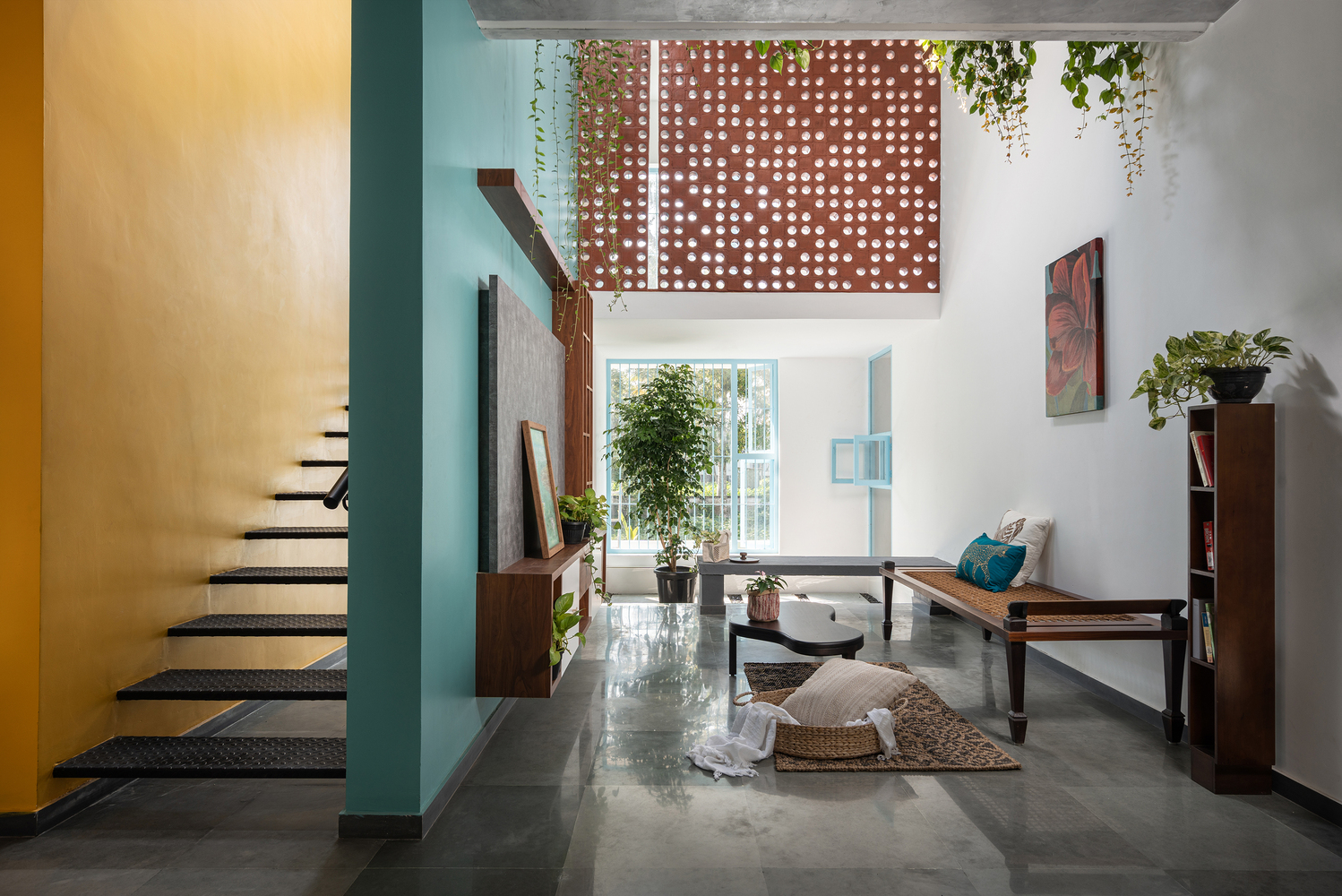
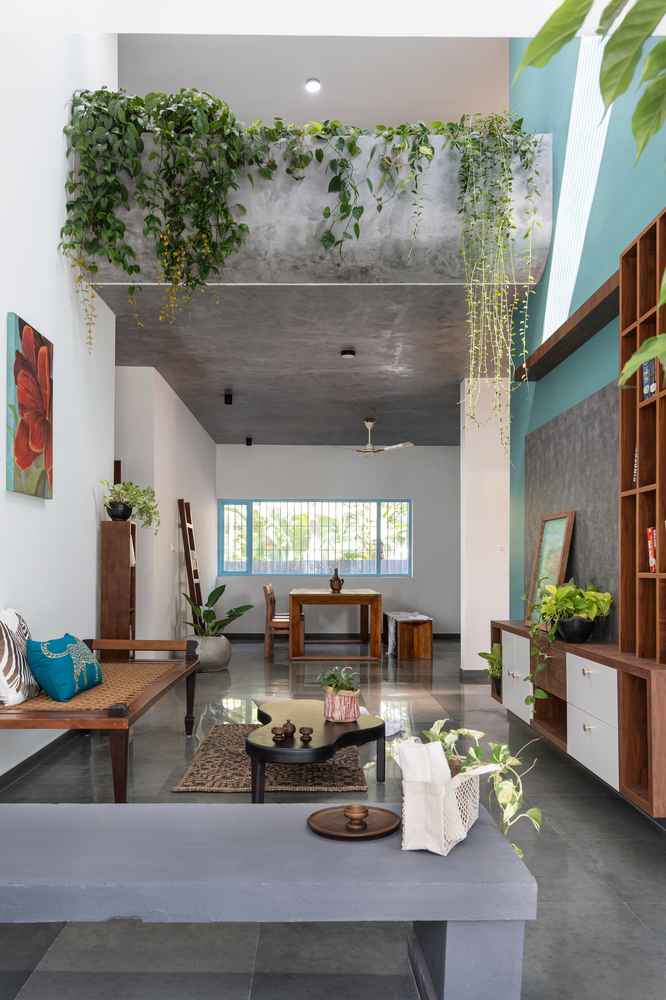
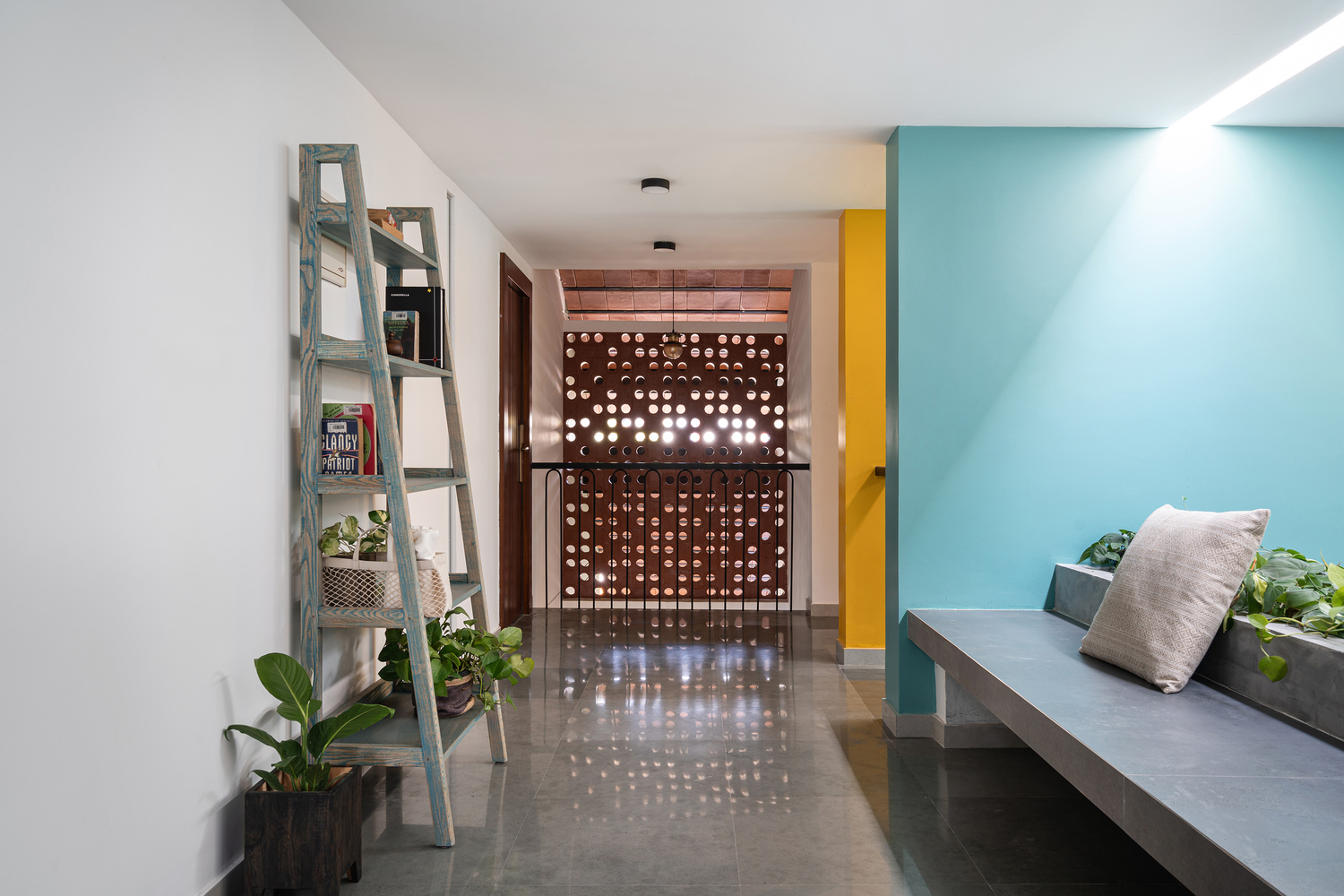
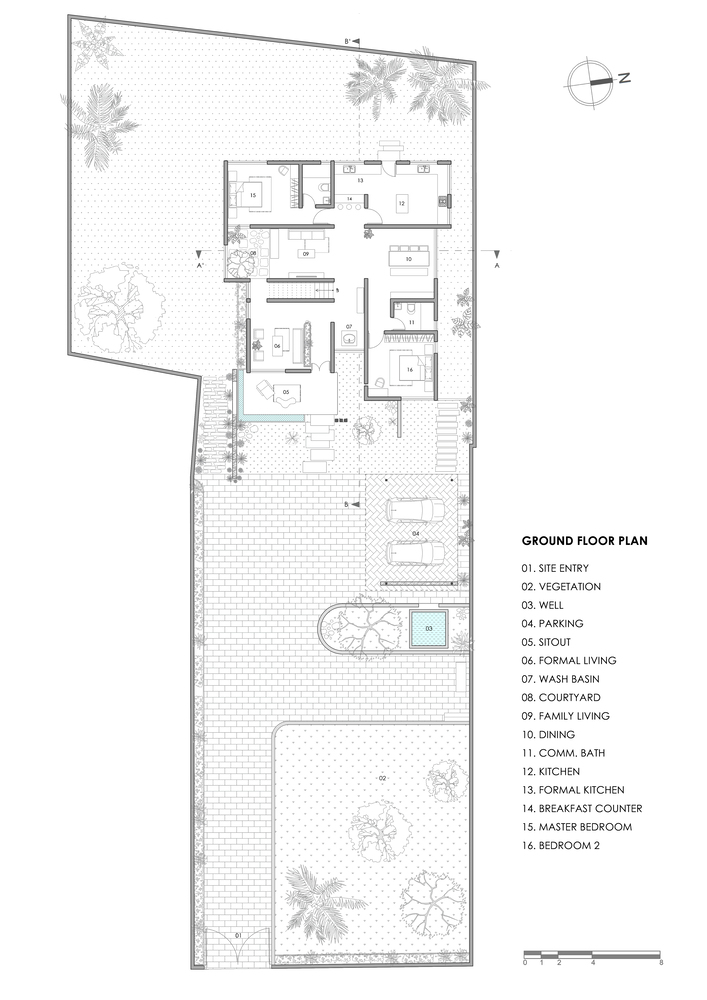
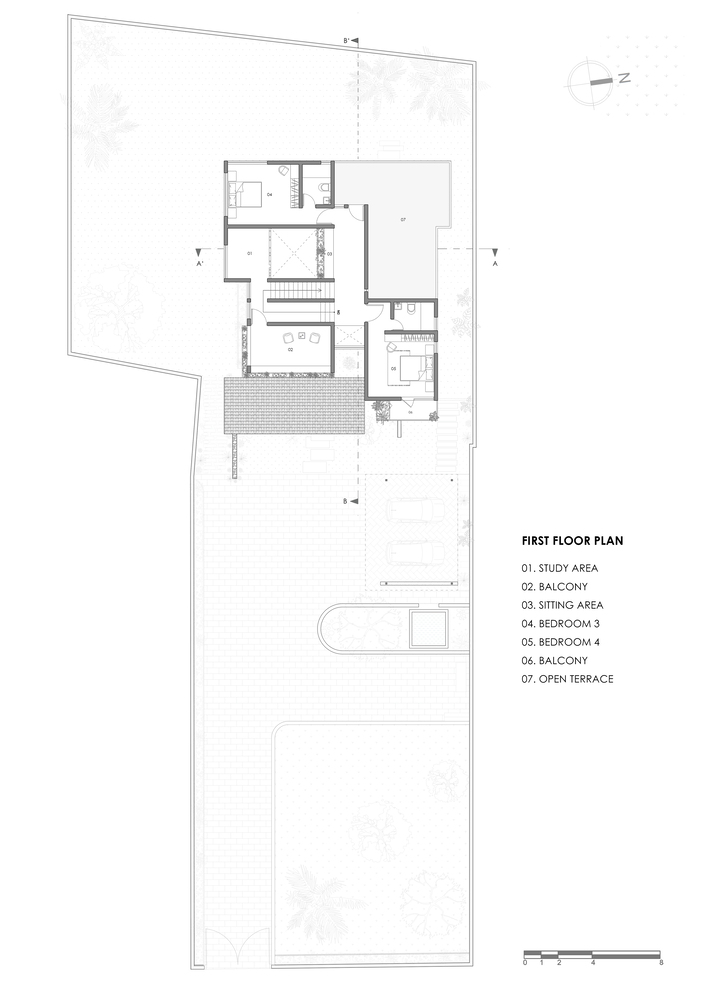
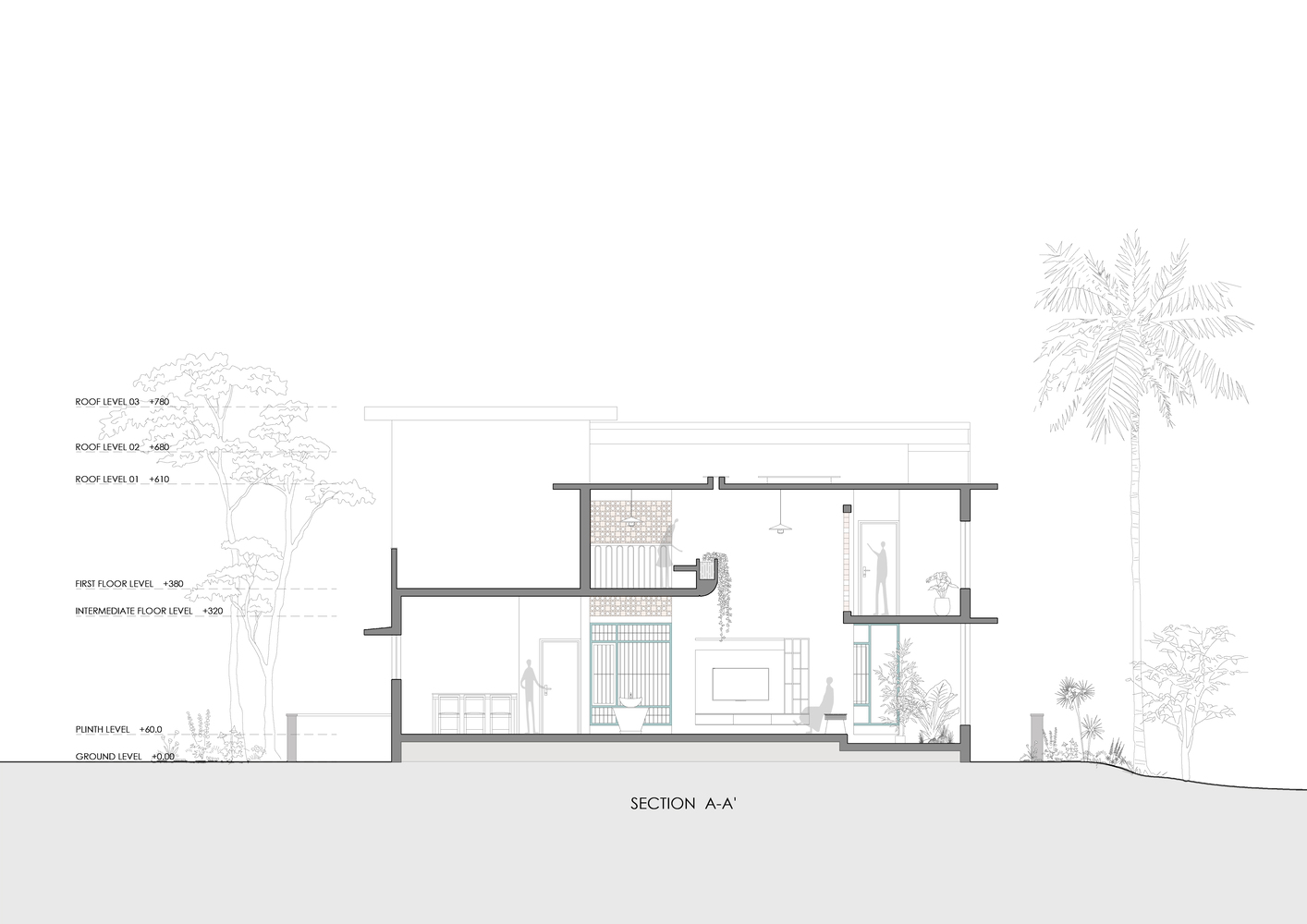
Spatial planning follows an open concept, with a central passage connecting various spaces within the house. Varied floor levels, raised ceilings, and porous partitions enhance visual transparency, promoting passive cooling through ventilation and stack effect. A double-height family living area serves as a serene gathering space flooded with natural light and surrounded by vegetation, connecting the main active zones of the house.
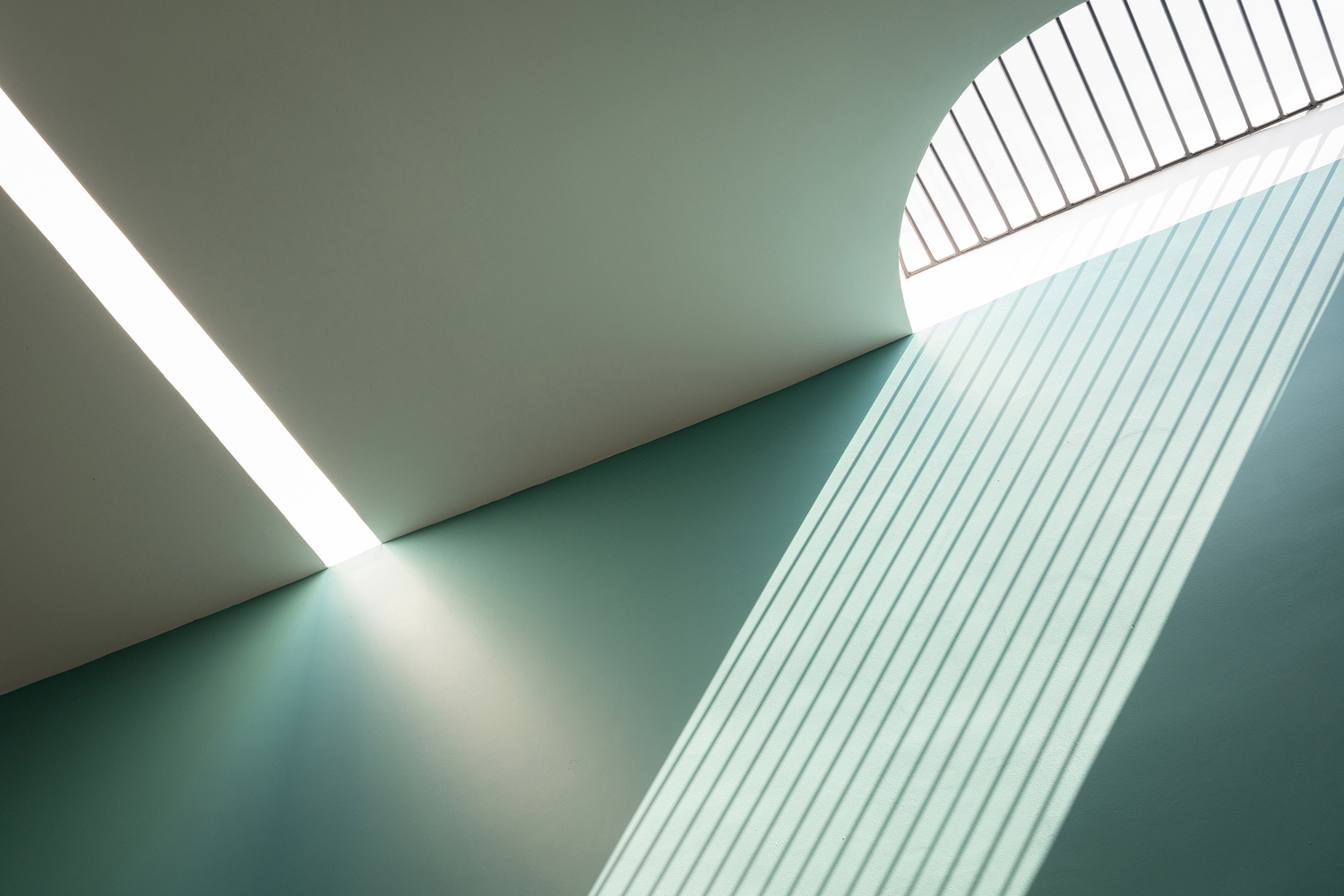
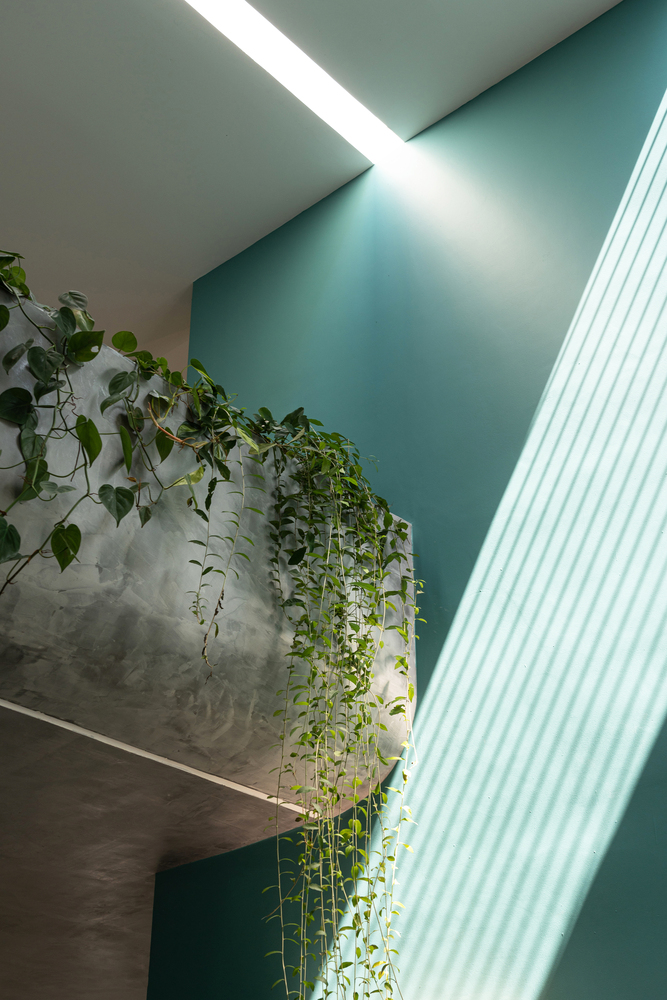
The staircase, designed as a minimal element, separates the formal and informal living areas, preserving visual transparency. Bedrooms, dining space, and the formal living area overlook a courtyard near the family living, creating a visually soothing experience. Large windows and strategically placed skylights illuminate the family living area, casting dynamic light and shadow patterns. Greenery drapes from the upper seating area, adding a dynamic touch.
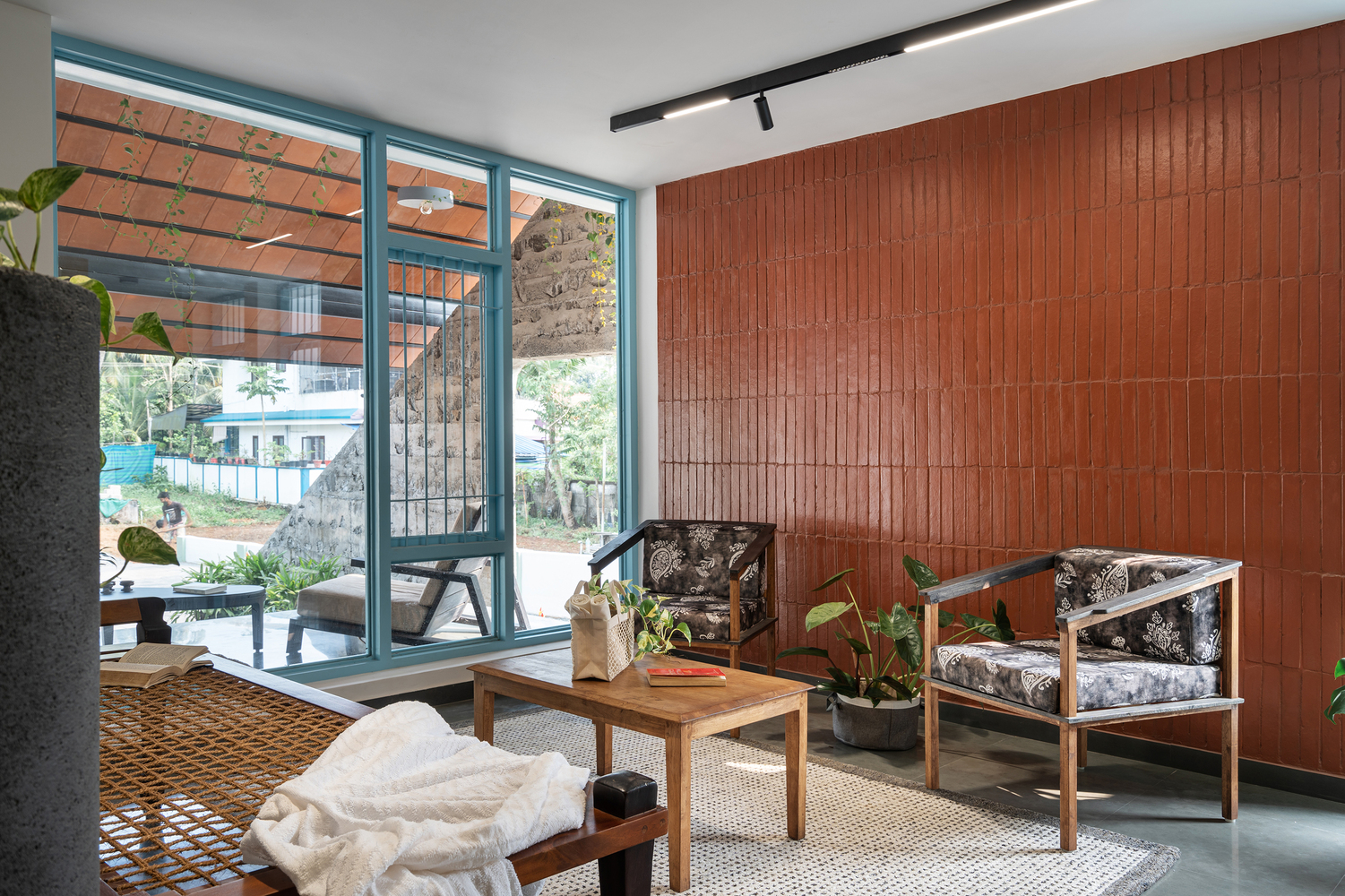
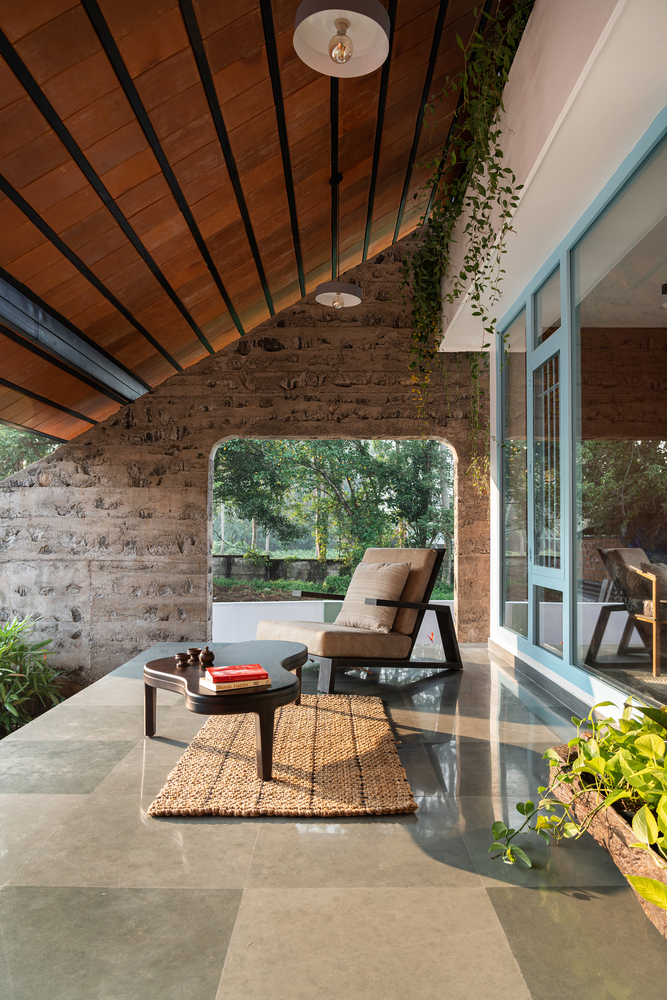
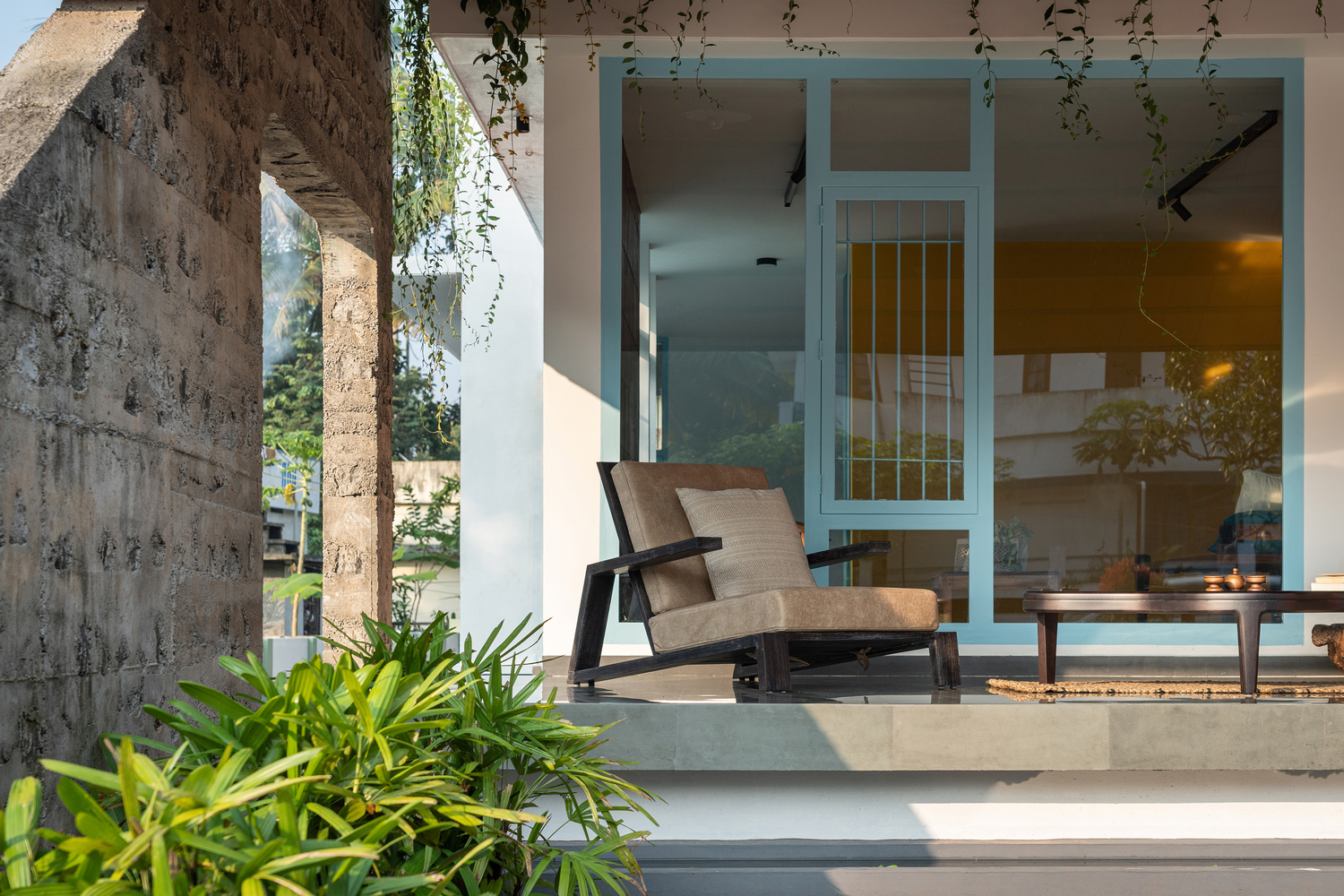
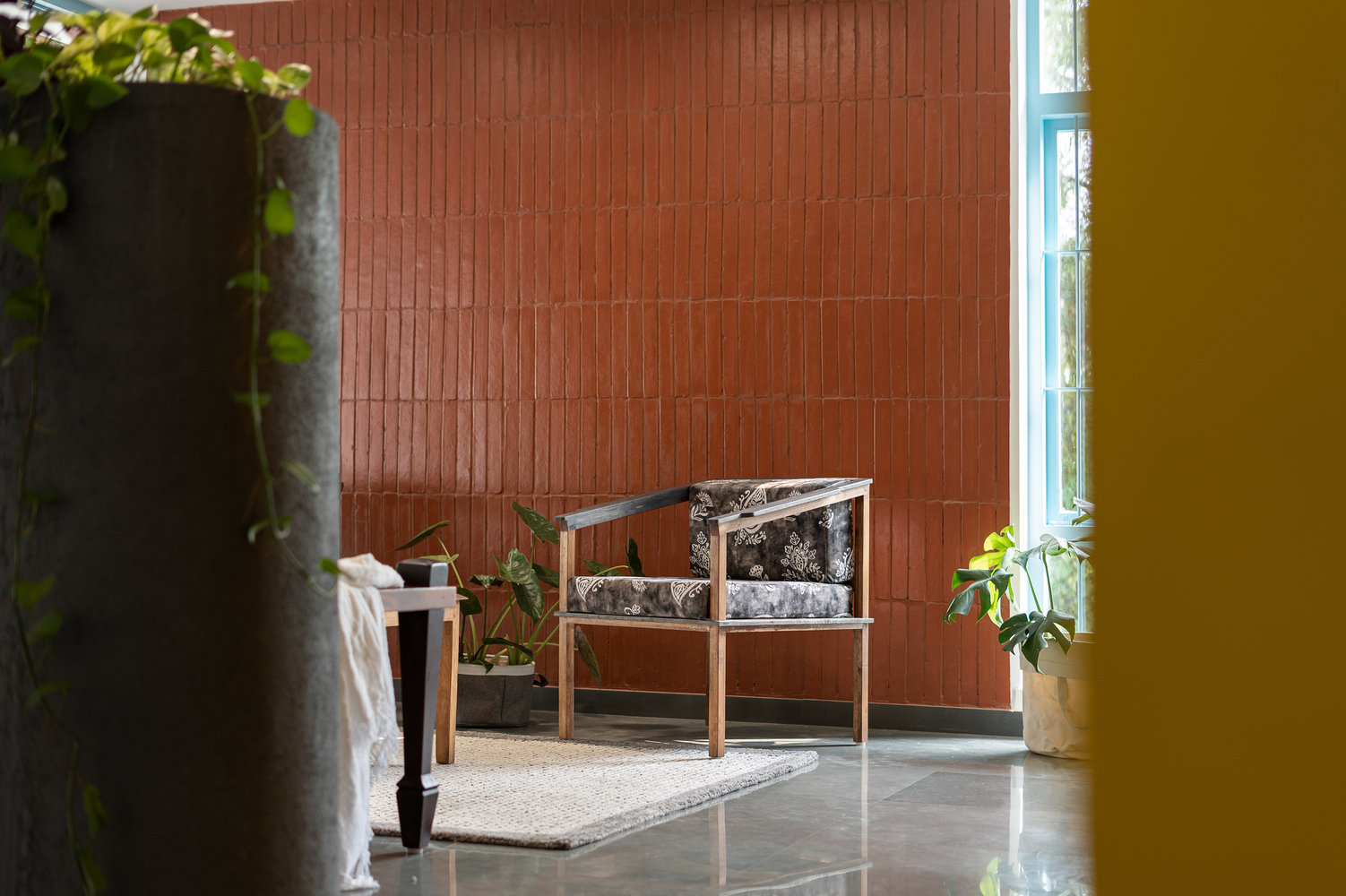
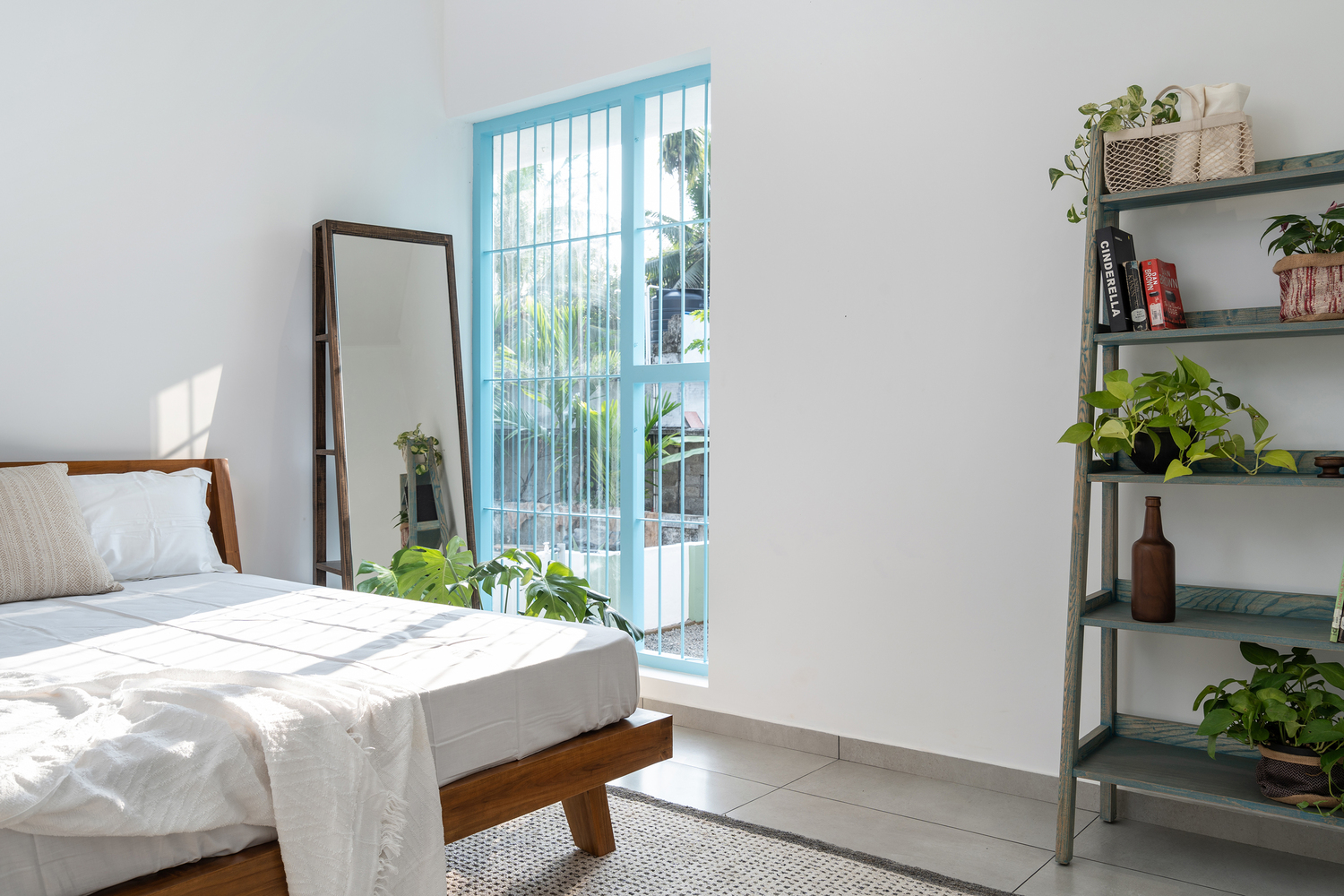
The material palette includes Kota stone, exposed concrete, and terracotta, contributing to a natural and pleasant atmosphere. Pastel blue windows seamlessly connect the interior with the outdoors, and the overall interior design follows a calming primary color scheme. The result is a sense of tranquility achieved through the thoughtful use of natural elements, earthy materials, soothing colors, and the seamless integration with the tropical surroundings.
.
*Text by the Architect, refinement made by MUSEBASE
.
Location: Vaikom, India
.
βπ£ππππ₯: βππΈπ βππβ πΈπ£ππππ₯πππ₯π€, πΈππππ πΈππ€ππ, ππ¦ππππππ πΈππ€ππ, ππ¦π£ππππ π»πππ π£, βππππ£ βπ πππ€, ππππΌβ πππππ₯πππ π€π ππ¦π₯ππ ππ€, π‘ππ π₯π ππ£ππ‘ππͺ Β© ππ¦π£π₯ππ πΈπ£π₯π€ βππ π₯π ππ£ππ‘ππͺ
.
Content curator: MUSEBASE
‘INARA,’ situated in the Kottayam District of Kerala, stands as a single-family residence designed to embody tranquility through architecture. The client’s vision was to create a modest dwelling that maximizes natural light and ventilation while maintaining privacy. The design aimed to seamlessly integrate indoor and outdoor spaces to enhance the overall user experience.
In response to the tropical climate, the architectural form blends traditional Kerala influences with a modern contemporary outlook. Positioned at the far end of the east-facing site, the house maximizes its visual potential. The front facade showcases two carefully positioned sloping roofs on a triangular wall with a bare concrete finish, reminiscent of traditional Kerala architecture.
Spatial planning follows an open concept, with a central passage connecting various spaces within the house. Varied floor levels, raised ceilings, and porous partitions enhance visual transparency, promoting passive cooling through ventilation and stack effect. A double-height family living area serves as a serene gathering space flooded with natural light and surrounded by vegetation, connecting the main active zones of the house.
The staircase, designed as a minimal element, separates the formal and informal living areas, preserving visual transparency. Bedrooms, dining space, and the formal living area overlook a courtyard near the family living, creating a visually soothing experience. Large windows and strategically placed skylights illuminate the family living area, casting dynamic light and shadow patterns. Greenery drapes from the upper seating area, adding a dynamic touch.
The material palette includes Kota stone, exposed concrete, and terracotta, contributing to a natural and pleasant atmosphere. Pastel blue windows seamlessly connect the interior with the outdoors, and the overall interior design follows a calming primary color scheme. The result is a sense of tranquility achieved through the thoughtful use of natural elements, earthy materials, soothing colors, and the seamless integration with the tropical surroundings.
.
*Text by the Architect, refinement made by MUSEBASE
.
Location: Vaikom, India
.
βπ£ππππ₯: βππΈπ βππβ πΈπ£ππππ₯πππ₯π€, πΈππππ πΈππ€ππ, ππ¦ππππππ πΈππ€ππ, ππ¦π£ππππ π»πππ π£, βππππ£ βπ πππ€, ππππΌβ πππππ₯πππ π€π ππ¦π₯ππ ππ€, π‘ππ π₯π ππ£ππ‘ππͺ Β© ππ¦π£π₯ππ πΈπ£π₯π€ βππ π₯π ππ£ππ‘ππͺ
.
Content curator: MUSEBASE
Β
-
Biophilic Design: 10 Proven Principles for Nature-Inspired Interiors
Biophilic Design: The Proven Guide to Nature-Inspired Interiors Biophilic design is one of the most research-backed and urgently relevant approaches in
-
5 Proven Ways Tropical Modernism Transforms Home Interior Design in Bangladesh
Home Interior Design in Bangladesh: Why Tropical Modernism Makes Complete Sense Home interior design in Bangladesh has always had to contend
-
Top Architectural Trends in 2026 Every Homeowner Should Know
The architectural trends in 2026 are not predictions anymore β they are happening right now, in buildings being designed and constructed